




What Supply Chain Dashboards Miss About Risk
Why Spreadsheet-Based Logistic Models Fail Under Real World Stress
Logistic models built on spreadsheets fail under real-world stress. Learn how execution-driven data improves accuracy and reduces risk.
Many mid-market organizations rely on familiar tools to plan freight, allocate cost, and model network scenarios. Those tools often work well during stable periods. Once volatility enters the picture, weaknesses surface quickly. In that environment, logistic models built on spreadsheets struggle to keep pace with real-world conditions. The issue is not effort or expertise. The issue is that static tools cannot absorb dynamic execution.
Why Spreadsheets Became the Default Modeling Tool
Spreadsheets gained popularity because they are accessible, flexible, and widely understood. Teams can build models quickly, test assumptions, and share results without specialized systems. For early-stage analysis, this approach feels efficient.
Over time, spreadsheets expand beyond their original purpose. They begin to support routing logic, carrier assumptions, and cost allocation. As reliance grows, complexity grows with it. What started as a planning aid becomes a surrogate execution model, even though it was never designed for that role.
The Hidden Assumptions Inside Spreadsheet-Based Models
Every spreadsheet model rests on assumptions. Transit times remain consistent. Capacity stays available. Rates behave predictably. Inputs remain accurate and timely.
In real operations, those assumptions break down. Capacity tightens without warning. Service variability increases. Accessorials appear after delivery. When inputs change faster than models update, results drift from reality.
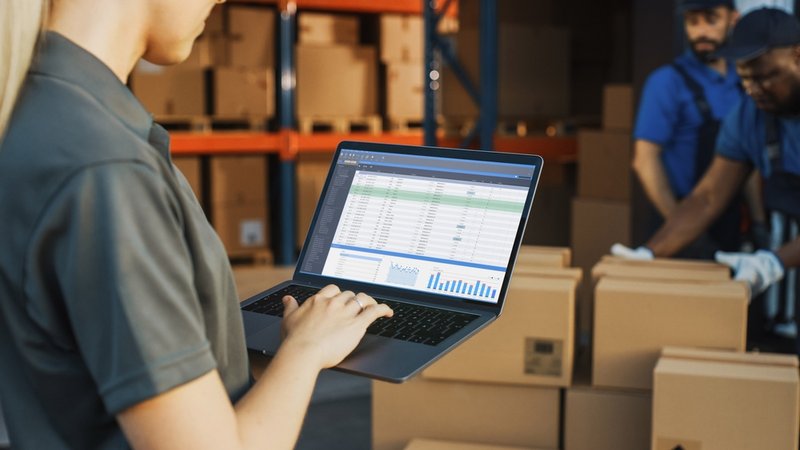
This gap explains why spreadsheets such as MS Excel may give inaccurate results once networks face disruption. The model does not fail because the math is wrong. It fails because the environment changes faster than the model can respond.
What Happens When Real-World Stress Hits
Stress tests reveal weaknesses that remain hidden during calm periods. Volume spikes, weather events, labor shortages, and service failures introduce variability that static models cannot absorb.
When stress hits, spreadsheet-based logistic models exhibit common symptoms:
- Conflicting versions circulate across teams
- Manual updates lag behind execution
- Assumptions override real performance data
Before long, teams stop trusting the model. Decisions revert to intuition and urgency. Planning and execution drift apart, increasing cost and risk.
Why Spreadsheet Models Fail at Scale
Scale magnifies fragility. As shipment volume increases, so does the number of variables. Lane performance varies. Carrier reliability diverges. Cost behavior changes by location and customer.
Spreadsheets struggle to manage this complexity. Version control becomes a constant issue. Collaboration slows as files move between inboxes. Errors increase as formulas stretch beyond their original design.
More importantly, spreadsheets cannot connect directly to execution. They describe what should happen, not what is happening. Without live feedback, models remain theoretical while operations remain reactive.
The Difference Between Planning Models and Operational Models
Planning models support scenario evaluation. Operational models guide daily decisions. Spreadsheet tools perform adequately in the first category but fail in the second.
Operational logistic models require continuous data feeds, standardized inputs, and automated updates. They reflect current conditions rather than assumptions frozen in time. When execution changes, the model changes with it.
This distinction matters. Organizations that rely on planning tools to manage execution introduce delay and distortion. Those that connect models directly to execution improve responsiveness and accuracy.
How Technology Changes Logistic Modeling
Modern logistics environments demand models that evolve continuously. Execution data feeds analytics. Performance trends update assumptions. Decisions adjust in near real time.
This approach requires supply chain technology designed for integration rather than isolation. Systems capture shipment events, cost detail, and service outcomes automatically. Models update based on reality rather than estimates.
Technology-driven models reduce manual effort and improve reliability. Teams spend less time maintaining spreadsheets and more time improving outcomes. Decisions reflect patterns rather than anecdotes.
Reducing Risk Through Data-Driven Modeling
Risk hides inside outdated assumptions. When models lag execution, organizations underestimate exposure. Forecasts miss volatility. Budgets fail to reflect operational reality.
Data-driven logistic models surface risk earlier. Variability becomes visible. Trends inform mitigation strategies. Leaders adjust policies and resources before disruption compounds.
This capability proves especially valuable for finance and operations leaders responsible for predictability. Reliable models support governance rather than reaction.

Supporting Growth Without Fragile Models
Growth introduces complexity faster than manual tools can handle. New customers, suppliers, and facilities multiply variables. Spreadsheet-based models require constant rework to remain relevant.
Technology-enabled models scale more effectively. Standardized data structures support expansion without redesign. Execution feeds analytics consistently across locations and volumes.
As organizations grow, resilient models preserve insight. Fragile models amplify risk. The difference often determines whether growth strengthens performance or erodes control.
Moving From Static Tools to Resilient Systems
Transitioning away from spreadsheet-based models does not mean abandoning analytical rigor. It means embedding analysis into execution systems that reflect real-world conditions.
Organizations that make this shift improve decision quality and confidence. Models remain aligned with operations. Teams trust the data. Leadership sees issues early and responds with discipline.
KDL helps organizations replace fragile spreadsheet-based models with resilient, execution-driven insight that performs under real-world stress by combining advisory expertise, advanced analytics, and proprietary technology designed to expose margin loss that traditional freight reporting misses. Contact us today.